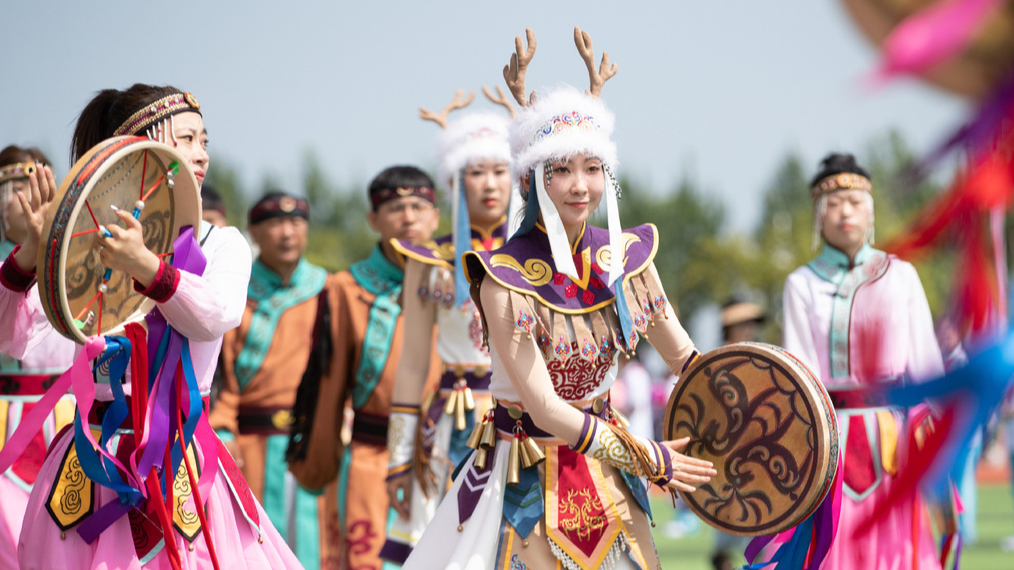
Hezhe Ethnic Group
Introduction
The Hezhe ethnic group is one of the smallest ethnic groups in China, predominantly residing in Northeast China's Heilongjiang province. With a population of approximately 5,350 according to the 2010 national census, the majority of the Hezhe people live in seven villages across three towns: Jiejinkou and Bacha in Tongjiang city, and Sipai in Raohe county of Shuangyashan city. The name "Hezhe" can be translated to mean "people in the East" or "people living along the river", reflecting their historical and cultural connection to fishing and hunting as essential components of their way of life over the past 6,000 years. The Hezhe people have a rich cultural heritage, with unique traditions, language, and crafts that distinguish them from other ethnic groups in China.
History
Origins
The Hezhe ethnic group traces its origins back over 6,000 years, characterized by a lifestyle closely tied to fishing and hunting along the rivers of Northeast China. Historically, they have been known for their expertise in crafting garments and utilitarian items from fish skin, a tradition that highlights their deep connection to their natural surroundings. This practice has been an integral part of their culture, showcasing their ability to adapt to and thrive in the sometimes harsh environmental conditions of their region.
Historical Development
Throughout history, the Hezhe people have maintained their traditional skills and crafts, including the renowned fishskin craftsmanship which has been practiced for centuries. This skill was recognized as part of China's intangible cultural heritage in 2006, emphasizing its cultural significance and the need for preservation. The fishskin craft involves intricate processes that transform fish skins from species like bighead, pikes, sturgeon, carp, and keta salmon into water-resistant clothing that is both functional and artistic. Despite their small population, the Hezhe have managed to preserve many of their traditional practices, passing them down through generations with dedication and resilience.
Language
Characteristics
The Hezhe language is part of the Tungusic language family, distinct from the Mandarin that is widely spoken across the country. The language features a rich oral tradition, with storytelling playing a crucial role in the preservation of their cultural narratives and historical events. The Hezhe language embodies both prose and poetic elements, often used in traditional storytelling forms such as Yimakan, which recounts the history and myths of the Hezhe people.
Preservation Efforts
Efforts to preserve the Hezhe language have become increasingly important in recent years due to the declining number of native speakers. Cultural initiatives focus on integrating language education into school curriculums within Hezhe communities, alongside government-supported programs aimed at revitalizing and maintaining the language. By promoting the study of the Hezhe language and its associated cultural practices, these efforts aim to ensure the survival and transmission of this unique linguistic heritage to future generations.
Culture
Traditions
The cultural traditions of the Hezhe people are deeply rooted in their historical reliance on fishing and hunting. These traditional practices have shaped not only their daily lives but also their spiritual beliefs and communal activities. The making of fishskin garments is one of the most distinctive traditions, requiring skilled craftsmanship to produce durable and beautifully decorated clothing. The Hezhe also engage in various forms of artistic expression, including Yimakan storytelling, which encompasses themes of heroism and tribal alliances.
Festivals
Hezhe festivals are vibrant celebrations that reflect their deep connection to nature and ancestral customs. These events often include traditional music, dance, and storytelling, serving as important occasions for community bonding and cultural transmission. During these festivals, the Hezhe people dress in traditional attire, participate in ritualistic performances, and share in communal feasts, reinforcing their cultural identity and pride.
Cuisine
The cuisine of the Hezhe ethnic group is characterized by its reliance on the abundant natural resources of their environment, particularly fish. Traditional dishes often feature fish prepared in various ways, including drying, smoking, and fermenting. These methods not only preserve the fish but also enhance its flavors, creating a unique culinary tradition that is both practical and flavorful. The Hezhe dietary customs are a reflection of their intimate relationship with the rivers and forests of their homeland, showcasing their adaptability and resourcefulness.
Religion and Beliefs
The spiritual beliefs of the Hezhe people are closely intertwined with their natural environment. Animism plays a significant role in their religious practices, with a belief in the presence of spirits in natural elements such as water, forests, and animals. This spiritual worldview influences their rituals and ceremonies, which are often conducted to honor and appease these natural spirits. Traditional Hezhe religion also includes shamanistic elements, with shamans playing a key role in mediating between the physical and spiritual worlds.
Economy
Traditional Practices
Traditionally, the economy of the Hezhe people was based on fishing, hunting, and gathering, utilizing the rich natural resources of their environment. These practices provided both sustenance and materials for crafting essential goods such as clothing and tools. Fish skin and bones were particularly valued for their utility in creating durable and functional items. The Hezhe's traditional economic practices reflect their deep knowledge of and respect for the natural world.
Modern Developments
In recent years, the Hezhe economy has evolved to include tourism and cultural industries as mainstays, providing new sources of income and opportunities for cultural promotion. Artisans have contributed to this shift by producing and selling Hezhe fishskin art, which has gained international recognition. The development of cultural parks and museums dedicated to Hezhe traditions further supports economic growth while promoting cultural heritage. These modern endeavors aim to balance economic advancement with the preservation of traditional practices, ensuring the sustainability of the Hezhe way of life.
Cultural Preservation and Promotion
Preserving and promoting Hezhe culture is a vital concern for both the community and broader society. Efforts are underway to document and share Hezhe traditions through educational programs, cultural festivals, and digital media. By highlighting the unique aspects of Hezhe culture, these initiatives seek to foster greater awareness and appreciation for the group's historical and cultural contributions. The inclusion of Hezhe heritage in national intangible cultural heritage lists underscores the importance of preserving these traditions for future generations, ensuring that the Hezhe legacy endures as an integral part of China's diverse cultural landscape.








